First-time orderers usually choose by photo and end up with a bowl that is not what they wanted. The real difference is the broth and the seasoning oil, not the toppings.
Shoyu — clear, balanced, the easiest start
A Japanese soy base, clear brown, savoury with depth. The safe choice if you are unsure, or if you dislike heavy broth.
Shio — the lightest, showing the ingredients
Salt-led and clean, so the noodles and pork come through. We serve it with sesame oil or with butter.
Tonkotsu — thick, rich, filling
Pork bones simmered until the broth turns opaque and unctuous. The most popular style in Thailand, and the one for a genuinely hungry evening.
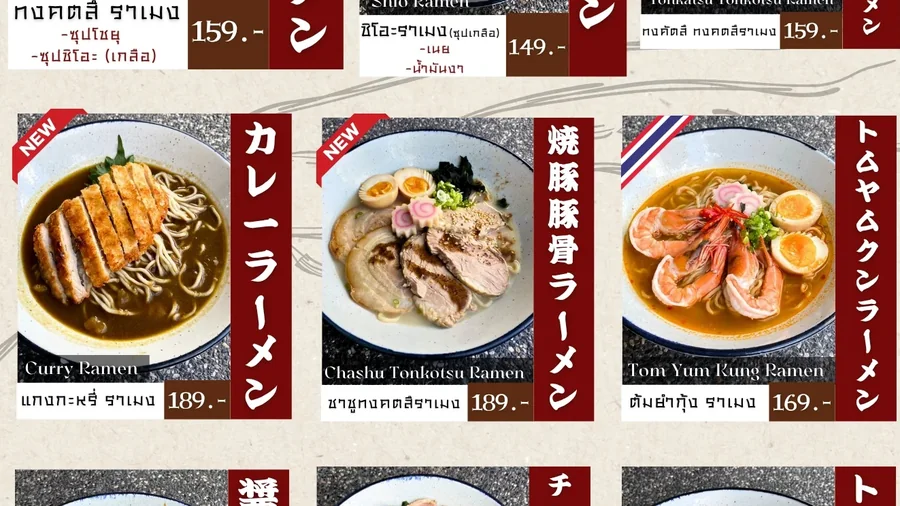
Curry ramen — the crossover that suits Isan palates
Deep and spiced, excellent with something fried on the side. We also serve tom yum goong ramen for a Thai sour-spicy bowl.
Why fresh noodles matter
Fresh noodles keep their bite and absorb broth better, but they must be eaten quickly — after ten minutes they soften. Take the photo before the first pull.
What to order alongside
- Tonkotsu + fried gyoza — the classic
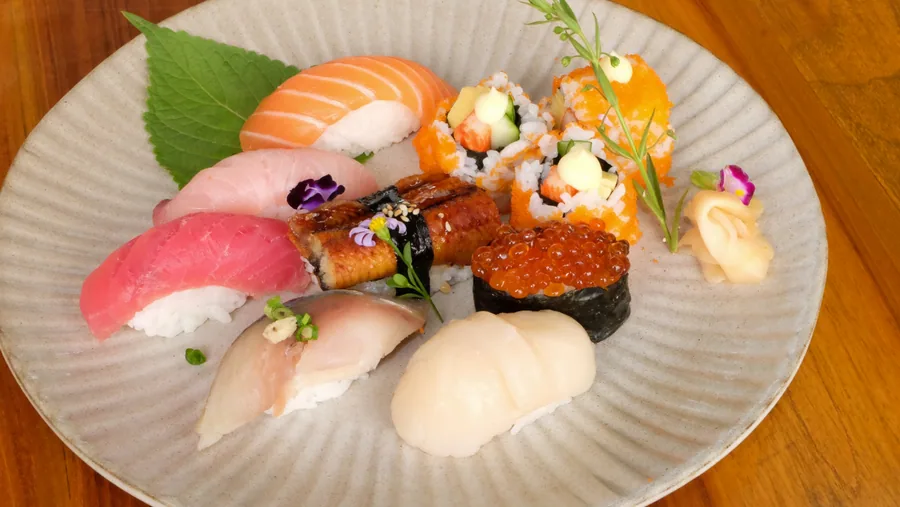
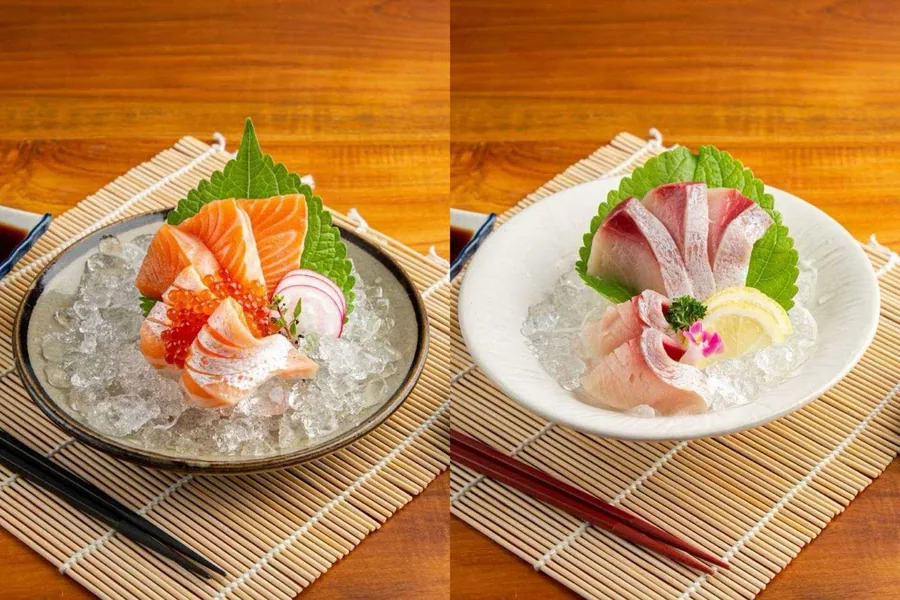
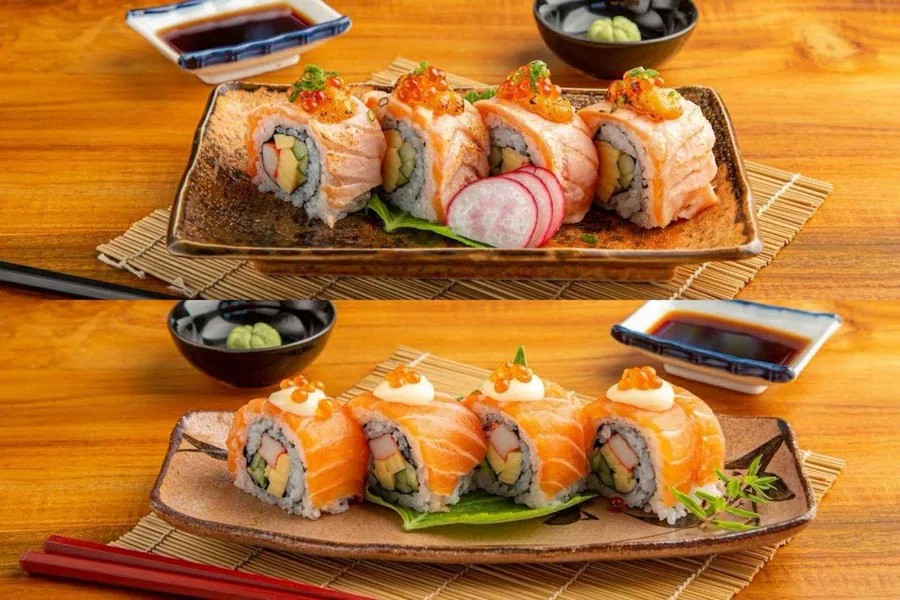
- Shio + two or three salmon sushi — light and balanced
- Curry ramen + crispy salmon-skin salad — cuts the richness