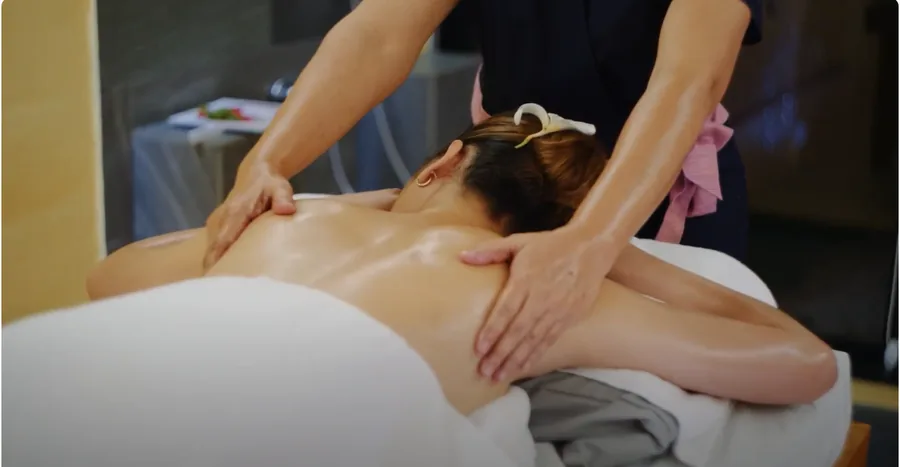
Most “best massage in Ubon” lists rank shops by price, which tells you nothing about what you take home afterwards. Here is what our therapists would check themselves.
1. Does anyone ask about your body first?
A well-run shop asks where it hurts, how long it has hurt, and whether you have any conditions or past surgery. That conversation decides where pressure can safely go. If you are put on the table with no questions at all, that is the first warning sign.
2. Is the stated time table time?
Some shops start the clock when you walk in, so a 60-minute booking becomes 45 minutes of actual work. At YUSUNSEN the stated time is time on the table; changing and showering sit outside the programme.
3. Thai massage should not make you hold your breath
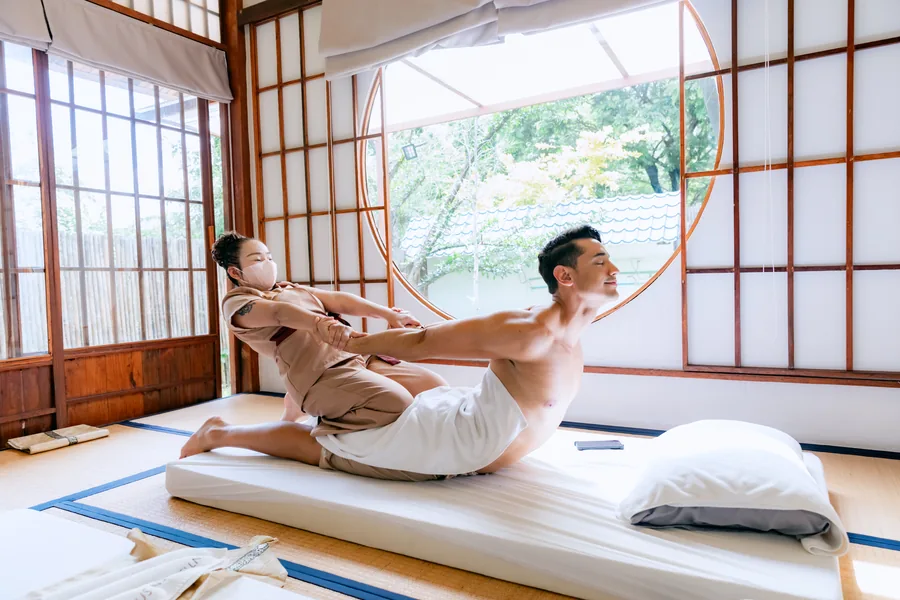
“The more it hurts the better it works” is a myth that sends people home bruised. Correct Thai work applies sustained pressure along the sen lines at a weight your body accepts, then deepens as the muscle releases. If you brace the whole session, the muscle tightens instead. Always tell your therapist to go lighter or firmer.
4. Private rooms, or just a curtain?
Relaxation needs quiet and a sense of privacy. If you can hear the conversation on the next bed, your nervous system never settles — no matter how skilled the hands are.
5. Unusually cheap usually costs something else
A fair price for 60 minutes of Thai massage in Ubon is roughly ฿300–450. Far below that normally means therapists are paid so little they must take back-to-back appointments all day, which shows in their strength and focus.
6. Is there anything to do afterwards?
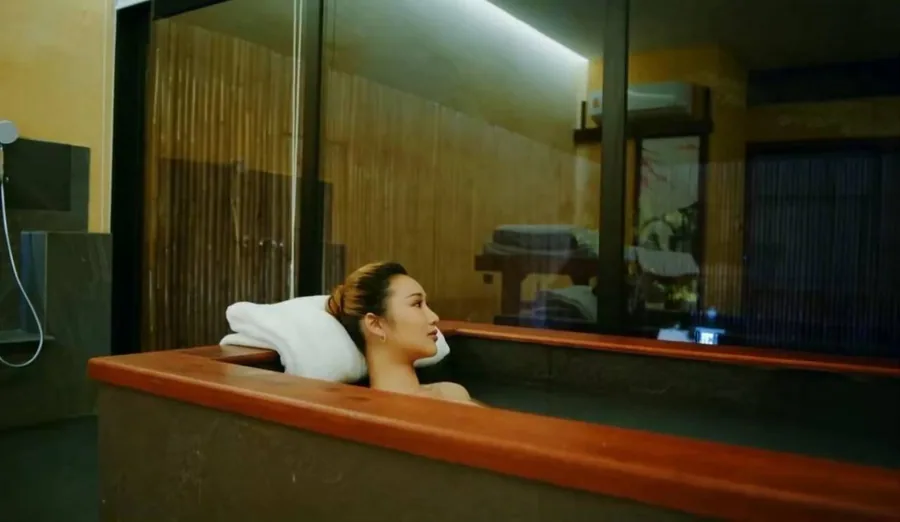
The body absorbs heat well after massage. Twenty to thirty minutes of steam or a warm soak holds the release much longer. That is exactly why our onsen sits behind the treatment rooms — and why many guests finish with dinner at the Japanese restaurant in the same grounds.